The Lumineers Open Up About Their “More Distinct” New Album And It’s Back Story…
With two platinum albums under their belt, Grammy nominations and sold out tours taking place all throughout the world, the Lumineers are back with their new emotional album III. Described as a “cinematic narrative” the record is split into three parts, each representing a member of the fictional Sparks family Gloria, Jimmy and Junior.
Each single release has been accompanied by a video, giving visual context to the powerful and raw content that each track delivers. With more songs scheduled to be released we can’t wait to see the how this story develops both visually and sonically.
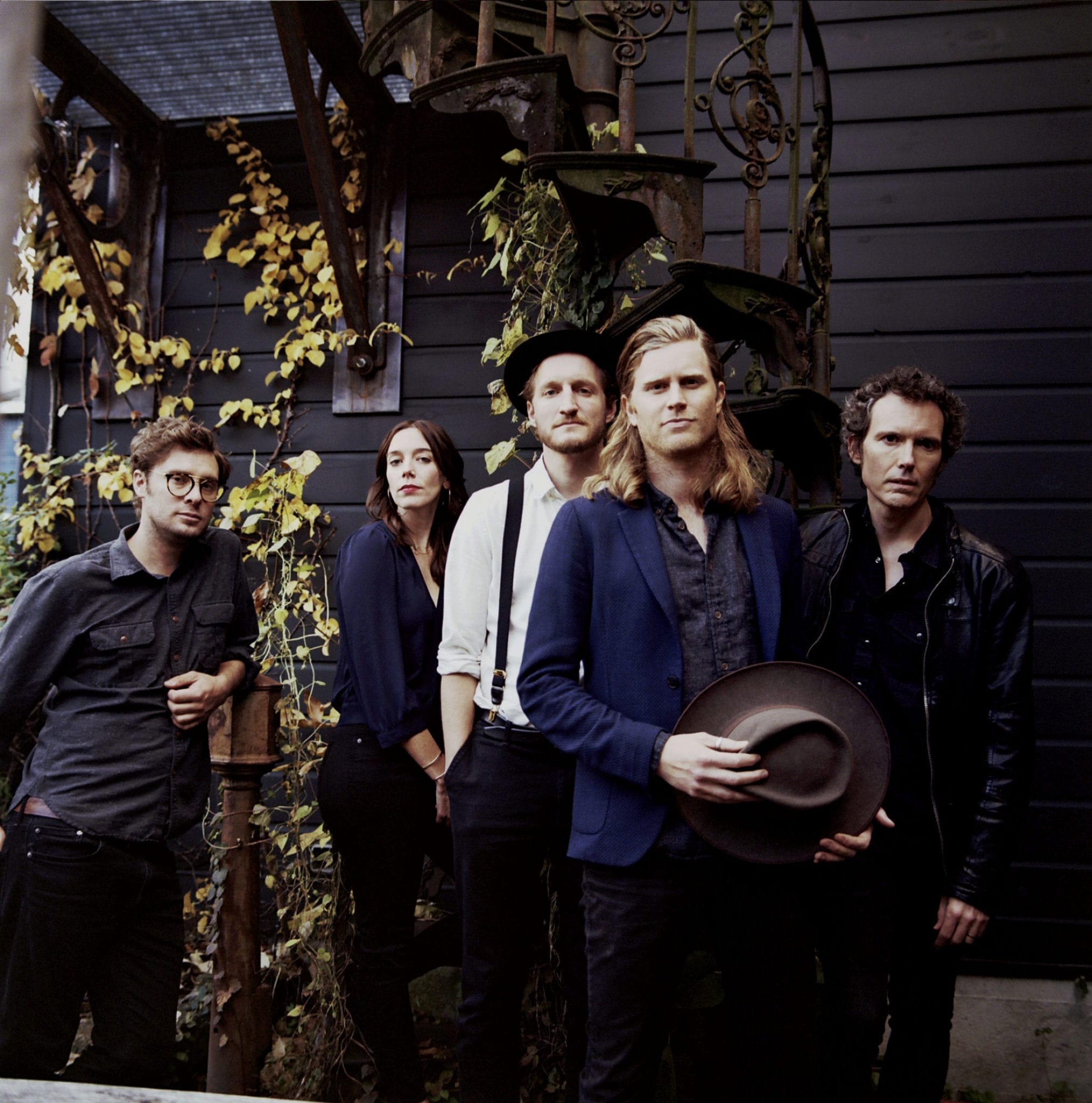
We caught up with members Wesley Schultz and Jeremiah Fraites about everything from the inspiration for the album, the fictional Sparks family and more…
Your new album ‘III’ is described as a cinematic narrative experience, can you go a bit deeper into the creative process of the album?
Wesley: The reason we wanted to put it into sections or chapters, is because I think there’s a challenge today of getting people to tune in and keep their attention long enough that they forget they’re listening to albums.
People are very open to watching Games of Thrones over and over, but for some reason, music is overwhelming because the dosages have gone down, so now it’s an algorithm, that gives you a playlist and it’s really strange to hear a whole album front to back.
The idea for this album was to trick that so you have these sections of music and it doesn’t feel overwhelming. That was part a, part b; we actually had these characters for each chapter that could kind of define each section. We realized this after we wrote the record. It almost was like this weird alchemy of looking at what we had made and then saying “wow” this kind of all revolves around this Gloria character and then this ending kind of revolves around this Jimmy guy and what if they were all in the same family together. It wasn’t so planned out it was almost retrofitted that this album can actually tell a broader story about this family dealing with addiction, is that cycle ever broken and how does that impact the family. Having seen this in our own lives – Jer hasn’t been immune to it in his own life – we’ve been a part of a club that a lot of people are a part of. Part of what’s beautiful about sharing this is that you realize that your not alone with dealing with this, loving an addict.
Jeremiah: It was interesting that sometimes when you’re around something for so long, you don’t smell it on yourself. My wife is from Italy, and when we started dating, she mentioned to me that a lot of my friends from New Jersey have either themselves or someone in their family, dealt with addiction. At first, I was like nah but then I started looking at it, almost every one of my friends either has a problem or like a direct family member of theirs. In my family, my brother died of a drug overdose in 2001. It’s a really crazy epidemic that no one ever talks about. This album is about all vices and all addictions.
Wesley: Even just opening up the comment section– which we generally don’t recommend to do on your own work – it was really fascinating to read how many people were sharing their stories in their own way in a comment section on a YouTube video. Because there’s no outlet, maybe they show their friend and talk about in real life. I think it’s really healthy to feel less alone about it and to talk about it more.
The Sparks are a fictional family that has their fair share of issues throughout the record. How difficult was it to create this narrative and characters for the project?
Wesley: I think it was difficult not to make it super literal, but by creating a buffer and creating characters, I think it created a space for the real person to live without having to answer to anyone. They have enough problems, and that’s why we’re singing about it.
It didn’t feel fair to blow up someone’s spot or reveal someone’s identity, but it felt fair to be able to sing about it. It’s like therapy, and you’re supposed to be able to say anything, you shouldn’t be penalized, it’s an open space to say those things and get them out there. It felt right to sing about it; it was just a way of disguising these people in a manner that I still felt the truth was being told without them being punished for me wanting to tell that story. That was sort of the reasoning for creating this.

Which out of the 13 tracks were your guys favourite to create? Which track was the hardest?
Jeremiah: One of the most difficult songs was Jimmy Sparks. It’s pretty crazy. It’s probably the longest song I think we’ve ever written. There’s so much stuff in it. There’s drums, guitar, violin, bass, and piano. It was a real doozy in how we set up each verse – I think there’s seven of them – with no chorus essentially and how do we keep each verse interesting.
Wesley: We spent so much time adding and subtracting on Jimmy Sparks.
Jeremiah: I think the song Donna was my favorite because the piano sound was fun to tinker with. It was one of the first songs out of the first two albums where it was about being stubborn, making a cooler sound, and something that wasn’t stock. The piano sounds very distinct, it almost sounds like a bad piano recording, which is why we love it. The song would be boring or dead without it.
How does this album differ from your previous albums?
Wesley: The sound of the album is more distinct. I think it’s something we never were able to realise or bring to life before.
Jeremiah: We had more freedoms artistically, sonically and had more time in the studio. We’ve written a lot of music together and we wrote a lot of music even before the first album so based on songs, this is probably close to like our fifth album. It was time be liberal with this (album).

What do you want your fans to take away from the album after listening?
Wesley: I hope they find their own piece of themselves in it.
Jeremiah: Yeah, I hope they enjoy it.
The Lumineers new album III will be out everywhere on 13 Sept.
Make sure to check out their new video for the track “It Wasn’t Easy Being Happy For You” below!